Tuesday, February 24, 2015

Computer - Cycle Test 4 - Material


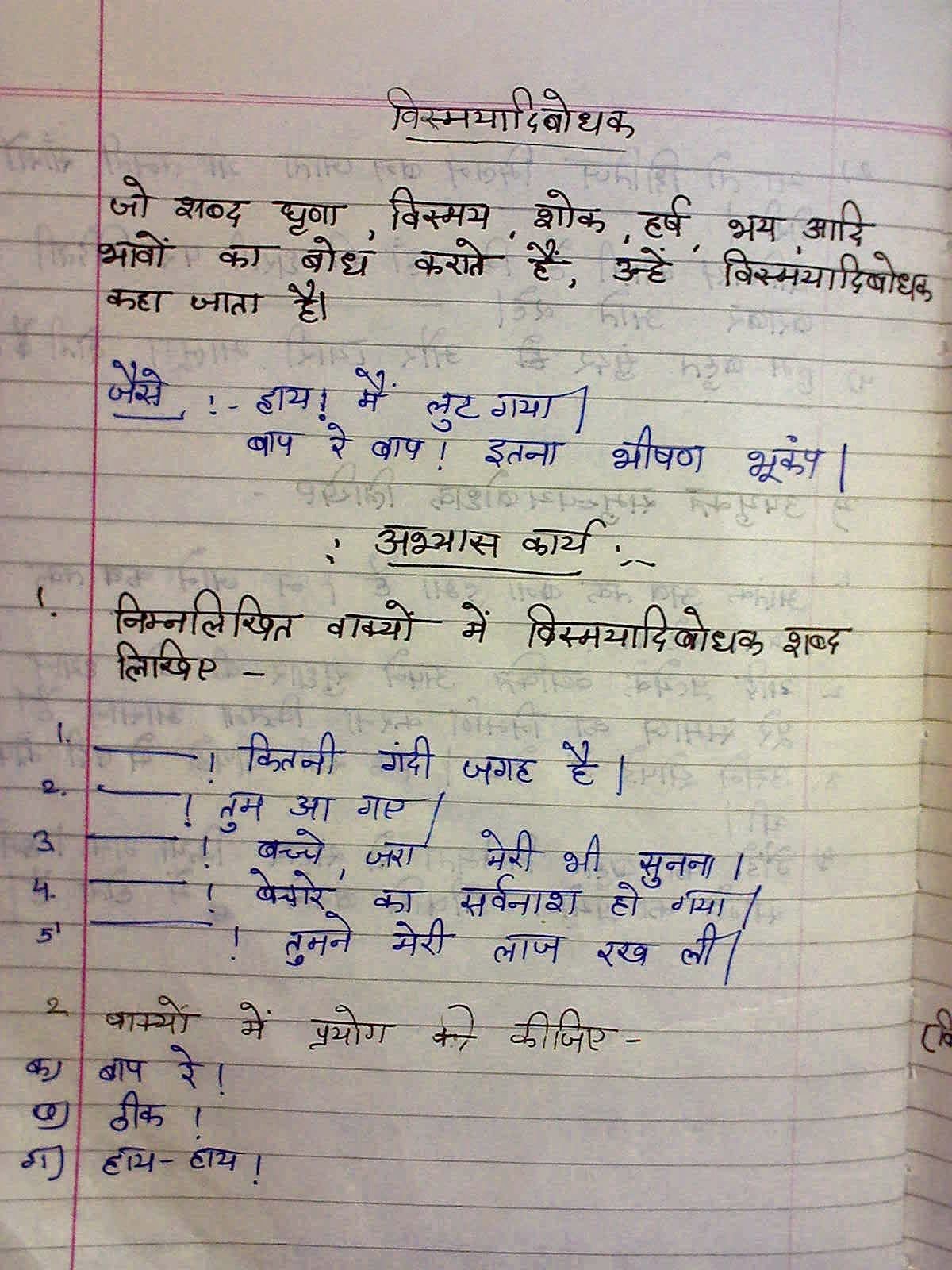
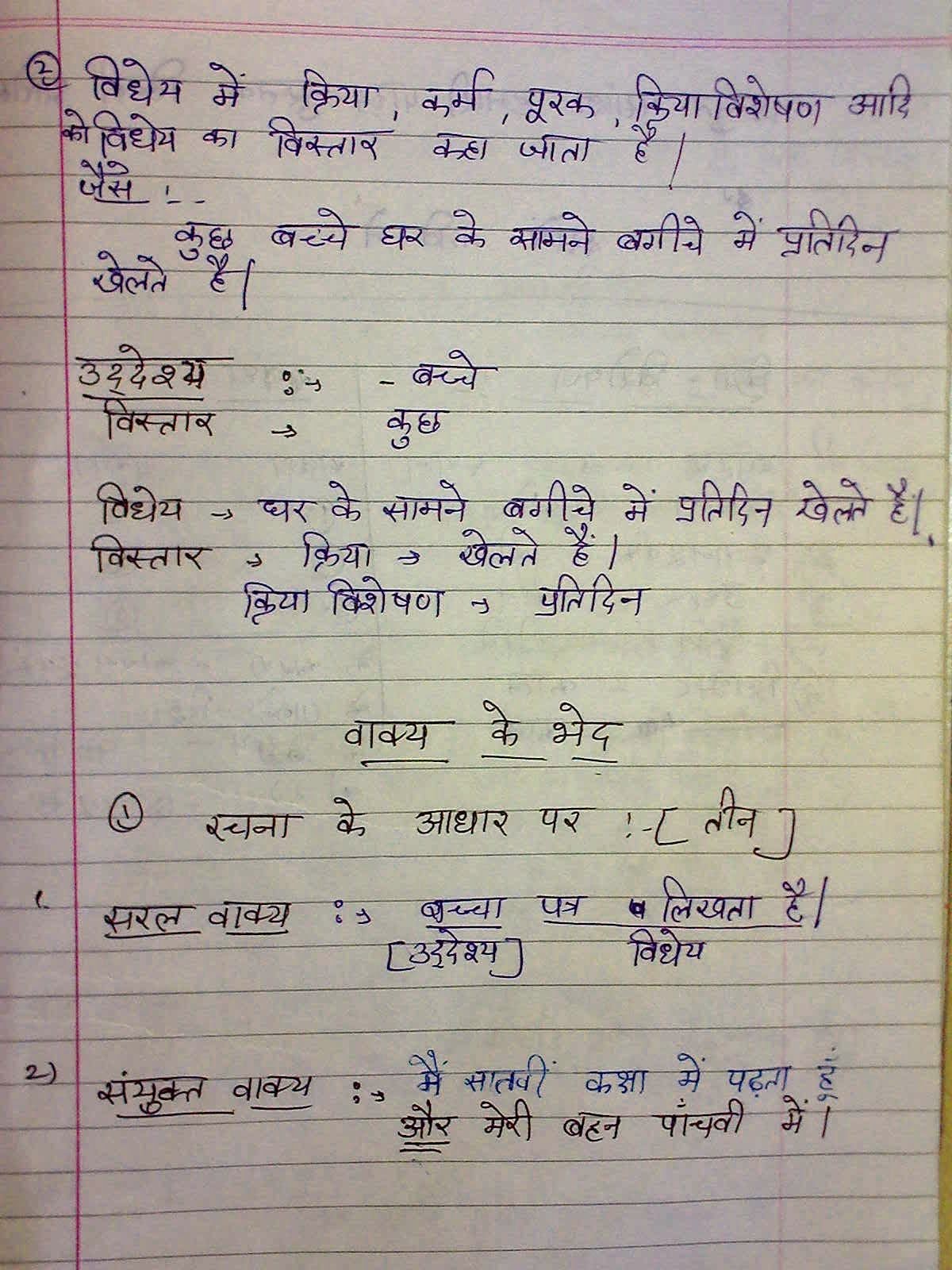
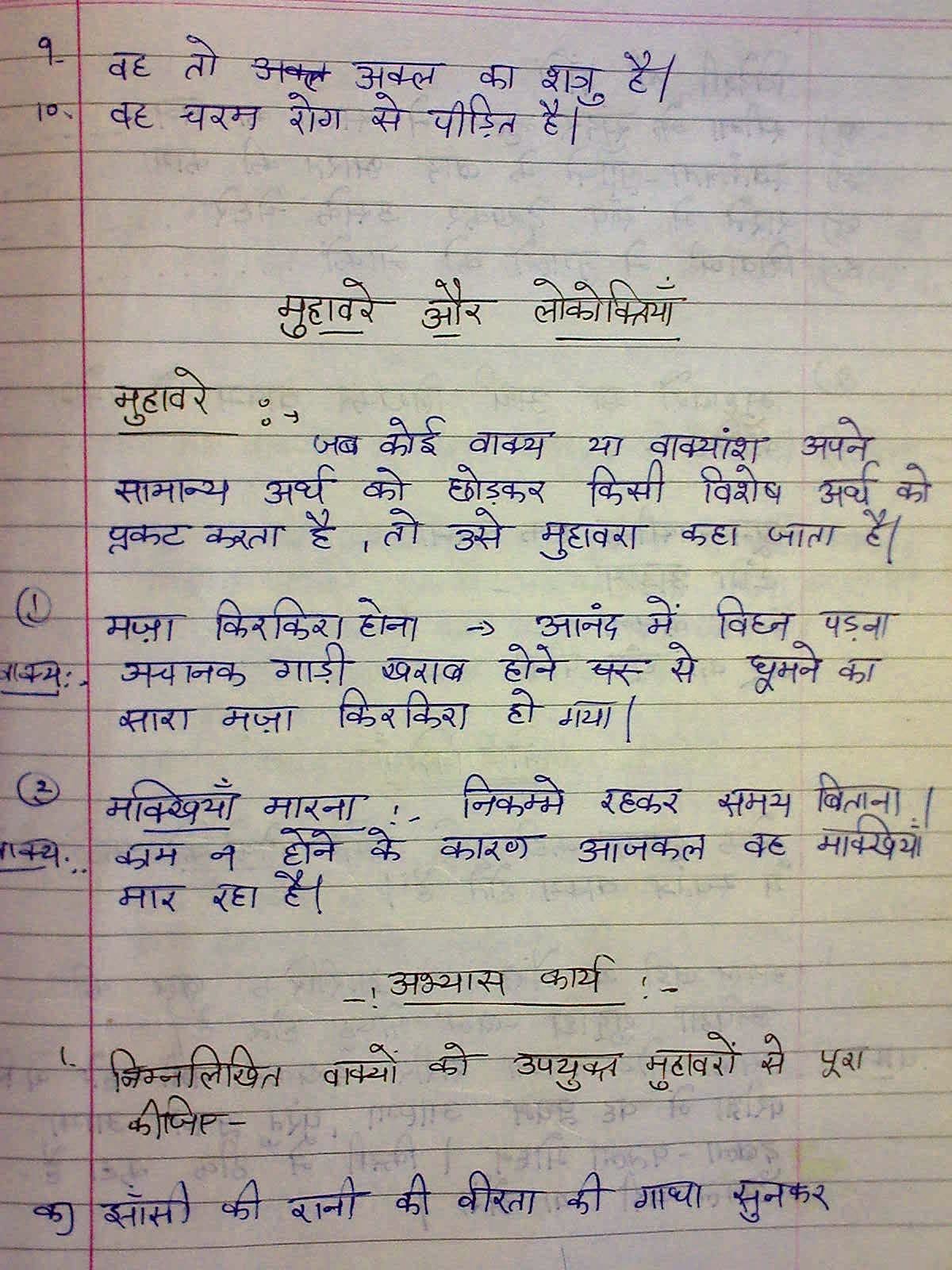
HINDI GRAMMAR(CYCLE TEST 4)


SST-WORKSHEET CYCLE TEST 4

Rise of Autonomous States
I Read the passage and answer the questions below:
Nadir Shah became the ruler of Iran in 1736. In 1738, he began to launch raids across  the Hindu  Kush Mountains into  Northern  India,  which,  at  that  time,  wasunder the rule of the Mughal Empire.
The  Mughal Empire had  been  weakened  by  ruinous  wars  of  succession  in  the three  decades  following  the  death  of  Aurangzeb.  The  Muslim  nobles  hadasserted  their  independence  whilst  the Hindu Marathas had captured vast swathes  of  territory  in  Central  and  Northern  India.  Its  ruler,  Muhammad  Shah,proved  unable  to  stop  the  disintegration  of  the  empire.  The  imperial  court
administration  was  corrupt  and  weak  whereas  the  country  was  extremely  rich whilst Delhi’s prosperity and prestige was still at a high. Nadir Shah, attracted bythe country's wealth, sought plunder like so many other foreign invaders before him.
Nadir had asked Muhammad Shah to close the Mughal frontiers around Kabul so that the Afghan rebels he was fighting against may not seek refuge in Kabul.
Even  though  the  Emperor  agreed,  he  practically  took  no  action.  Nadir  seized upon this as a pretext for war. He defeated his Afghan enemies fleeing into the Hindu  Kush  and  also  seized  major  cities  such as Ghazni, Kabul and Peshawar capturing Lahore. Nadir advanced to the river Indus before the end of year as the Mughals mustered their army against him.
At the Battle of Karnal on 13 February 1739, Nadir led his army to victory over the Mughals,  Muhammad  Shah  surrendered  and  both  entered Delhi together. The keys to the capital of Delhi were surrendered to Nadir. He entered the city on 20
March  1739  and  occupied Shah  Jehan’s  imperial  suite in  the Red  Fort.  Coins were  struck,  and  prayers  said,  in  his  name  in  the Jama  Masjid and  other  Delhi mosques.
1) What led to a war between Nadir Shah and the Mughals?
Nadir had asked Muhammad Shah to close the Mughal frontiers around Kabul so that the Afghan rebels he was fighting against may not seek refuge in Kabul.Even  though  the  Emperor  agreed,  he  practically  took  no  action.  Nadir  seized upon this as a pretext for war.
2) Do you think capturing Delhi was one of the major reasons for the fall of the Mughals? Yes or No say why?
There were many reasons for the fall of the Mughals. Capturing Delhi was indeed the final blow to the empire bu the problem existed deeper inside as a result of weak administrators and widespread inequalities
III Class Discussion
After  reading  the text  in  your  book,  can  you  say  that  there  was  a  rise  of autonomous states only due to the fall of Mughals? Or because of the need to be free of the Mughal rule?
The  autonomous  states  emerged  because  of  the  fall  of  Mughals.  This  was because  there  was  widespread  misadministration.  The  amobitious  and  able rulers decided to have their separate regional powers and expand territories.
IV Recognize the objects:
Kohinoor Peacock Throne
Red Fort
Jama Masjid
Striving for Equality
I Read the information given below and answer the questions
• Equality and Diversity is the current term used for ‘Equal Opportunities’.
• It is a legal requirement to protect against discrimination.
• Discrimination  can  be  against  a  person’s  sex,  gender,  disability,  sexual orientation, religion, belief, race or age.
• Equality – ‘equal rights and treatment to all individuals’
• Diversity – ‘difference from what is normal or expected’
a) What according to you is equality in diversity?
Equal Opportunities. Equal rights and treatment to all individuals.
b) Who do you think are more affected by discrimination?
Dalits, women, children, poor.
c) What steps as an individual can you take to stop discrimination around
you?
Stop  discrimination  at  home  and  in  school.  Stand  for  people  who  are Discriminated
d) As  an  individual  how  will  you  avoid  discrimination  if  you  were a Rajasthani and were judging a dance competition which differs from your culture and style?
There should not be any kind of discrimination while judging.(elaborate and write your specific response).
II Thinking Time
The Constitution of India guarantees the Right to Equality through Article 14 to 18 of the Indian Constitution. According to Article 14 all Indian citizens are equally in the eyes of the law. But you cannot have an identical law for every individual as  they  are  not  equal  in  status,  cast,  circumstances,  nature  of  work,  and  their achievements.  Hence,  the  changing  needs  of  different  classes  or  sections  of people  require  different  and  separate  treatment. The  government  recognizes
these special circumstances and have taken them into consideration.
Therefore, it is necessary for the government to have the power to make certain discrete  laws  to  accomplish  equality  objects.  For  this  purpose  if  distinguishing, selecting and classifying people are required to make successful laws, then they should take the initiative to do so. This in turn will lead to a successful function of the “Equality in diversity” concept, personally and firmly.
a. Do you agree with the concept mentioned above? Yes or No state why?
I  agree  with  the  concept.  this  is  because  to  be  equal  it  may  mean  sacrifices from  one  section  of  society  who  have  already  had  the  privileges.  The government  can  be  the  best  judge  to  know  who  is  the  deprived  one  and  act accordingly.
I disagree because that may encourage the government to make judgments for personal gains.
b. How can you do justice with two different laws for a similar incident and people with different statuses? Reply taking into consideration that one person is a grade10 student and the other a grade 3 student. Both being bullied by a grade 10 and grade 3 students respectively. How would you do justice to both and how will your action differ taking the age and grade into consideration?
The student age 3 is younger and his maturity level and experience is less. He can be reprimanded for his action by correcting him politely and whenever the action  is  repeated.  The  class  10  student  is  more  matured  and  can understand the  feelings  of  the  bullied  boy. He  can  be  counseleld  by  a  professional  if  the actions is repeated and the parents can be taken into confidence.
III Discussion Time
What kind of discrimination can you see in the following information?
Forests are being cut down for wood to construct highways.
Tribes are being forced to leave their home and move to other places like cities and leave behind their culture.
Farm land is being taken over for building factories.


HINDI AAROHI (CYCLE TEST 4)


SST - WORKSHEETS- CYCLE TEST 4

(Geography)
Life in Temperate Regions
Q I Name the following :
1. The machine which automatically sows , ploughs and works as thresher.
Combine Harvester
2. Two occupations of the people in Veld.
Cattle rearing , mining
3. Two important rivers of the Veld region.
Sabi and Orange
4. One important river each of USA and Canadian prairies.
River Saskatchewan
5. The ‘gold capital’ of the world.
Johannesburg
Q II Answer the following questions:
1. What are ranches?
Large farms where cattle is reared are called ranches .
2. What are prairies?
The temperate grasslands located in North America are called prairies
3. Name two important cities of the velds. What are they famous for?
Johannesburg for gold and Kimberley for Diamond
Q III Write True or False.
1. Prairies have a variety of trees. False
2. Velds are bound by Drakensberg on the east. False
3. Acacia is a species of sheep known for its wool. False
4. Merino is a species of goat. False
Q VI Picture Study:
Observe the pictures below and describe the wild life of the Veld.
The wild life in the velds is mainly cheetahs ,giraffe and oryx . the reckless hunting and poaching have greatly reduced their numbers.
Q VII Map Work:
1. On an outline map of North America, mark the extent of the prairies.
2. On an outline map of Africa mark and label:
a. Drakensberg mountains
b. Kalahari Desert
c. River Orange
d. Pretoria
e. Kimberley
North America
 (Geography)
 Life in Tropical and Sub Tropical Regions
Q I Name the following :
1. World’s largest delta. Sunderban
2. The type of climate that the Ganga Brahmaputra basin experiences.
Monsoon Type
3. The lake in Tibet where Brahmaputra originates.
Mansarovar
4. The staple diet of the people living in the Ganga Brahmaputra Basin.
Wheat
Q II Answer the following questions:
1. Name the countries that the Amazon Basin drains.
Brazil, Bolivia ,Peru
2. What are Tributaries?
A river or stream flowing into a larger river or lake.
3. Which rivers drain the Ganga- Brahmaputra basin?
Ganga-Brahmaputra
4. What are the main features of the basin?
Heavy rainfall, monsoon type climate
Q III Write True or False.
1. The Amazon is the second most important river in South America. False
2. The Amazon basin experiences a tropical type of climate. True
3. Trees in the Amazon basin grow very close to each other. True
4. Many varieties of insects and fishes are found in the Amazon basin. True
Q IV HOTS:
What practical measures can you think of to deal with the growing problem of deforestation in the Amazon Basin?
Teach the people the importance of tropical forests. Restore by planting more trees, Encourage people to live in harmony with nature , Establish parks, Support companies that are making an effort to save the forests .
Q VI Picture Study:
Observe the pictures below and describe them:
1. Amazon Rainforest –denseforests evergreen
2. Deciduos forests –teak and sal
Q VII Map Work:
In the given outline map of world, mark the following:
1. Tropic of Cancer
2. Tropic of Capricorn
3. Tropical and sub tropical countries (any 4 countries)
History
                                           Regional Cultures  
I Read the passage and answer the questions below:
Sri Guru Nanak Dev Ji is credited with starting the Sikh religion. He was the first Guru of the Sikhs and is worshipped next to God. His sole aim in life was to unify the  Hindus  and  Muslims  and  form  a  universal  religion  of  brotherhood  and compassion.  He  believed  that  true  salvation  could  be  achieved  only  by devotion  of  thought  and  excellence  of  conduct.  In  the  contemporary  world, Sikhism is spread far and wide in not just India but also America, Africa, Europe,etc.
When  he  was  five  years  old,  Guru  Nanak spoke  in  detail  about  God  and  his spiritual existence much to the surprise of others. By the time he was fifteen, he had mastered Hindi, Persian, Punjabi and Sanskrit. But one thing that stood out was his unquestioned love for God.
His  way  of  life started  to  worry  his  father  who  decided  to  teach  him  some business. Once, he gave Nanak Rs. 20 and told him to start a business in Lahore. While on his way to Lahore, he met some meditating sadhus who had not eaten for days. He spent the amount to give them food. Upon his returning back, his father asked what he had done with the money. He said he had done his true duty and told him that he fed hungry souls. Next, he was sent to a grain shop to work.  He  spent  his  entire  earnings  on  the  poor  and  deprived  and never  kept anything  for  himself.  He  got  married  when  he  was  18  years.  But  he  left  his domestic life for a higher calling and to quench his thirst for spiritual knowledge.
He  preached  that  God  was  omnipresent  and  did  not  adhere  to  any  kind  of ritualism or worship patterns. He led a life of purity and clarity and believed that the attainment of enlightenment would relieve one from the cycle of birth and death.  He  visited  many  places  to  preach  and  spread  his  knowledge,  which includes Burma, Iraq, Tibet and Sri Lanka. Guru Nanak composed a set of poems
known as "Japji" that is recited as the Morning Prayer. It forms the first chapter of Guru Granth Sahib, the holy book of the Sikhs. These thoughts and poems inspire many till date and are considered the epitome of good living.
1) Which religion was started by Guru Nanak and what was his aim in life?
Religion started – Sikhism. His sole aim in life was to unify the Hindus and Muslims and form a universal religion of brotherhood and compassion.
2) What kind of a nature do Guru Nanak’s actions in his childhood display?
His  actions  displayed  awareness  of  oneness  with  God.  It  shows  his  thirst  for knowledge at a a spiritual level.
3) What were his views about God and what was his belief?
He  preached  that  God  was omnipresent  and  did  not  adhere  to  any  kind  of ritualism or worship patterns. He believed that the attainment of enlightenment would relieve one from the cycle of birth and death.
4) What is Guru Grant Sahib?
Guru Granth Sahib is the holy book of the Sikhs.
II) Identify the different cultures from the pictures below:
Buddhism
Zoroastrianism
Sikhism Jainism
Islam
Christianity


Integrated project-Maths Std-7A And 7B


NOTE- 
Student can do the project individually or in group and submit it on 04/03/2015 without fail.


Integrated Project
Std:  VII
Term:  II
Duration : 3 periods
Subject: Mathematics
Topic:
Human Resource: The strength of a country
  --- Let’s unite for its inclusive growth
Sub-topics:
Integration with Mathematics
Learning outcomes: The students will be able to
·         analyse the fact that the human beings are considered as the most important resource of a country as they contribute towards its growth and development.
·         draw line graphs, single and double bar graphs based on the information collected
·         find the sex ratio
·         represent the data in tabular form
·         present the data in the form of bar graph and pie chart using paper coloured papers
·         interpret and draw conclusion on the growth of population of different states in India or other countries and also about the sex ratio.
·         write the ways to balance the sex ratio of the country
·         know when is the census conducted and what is the importance of conducting it
Material required:
Materials Needed (to be sourced by teacher):
A4 size coloured papers (10 papers for each group), charts papers (3 for each group), glue, child safe scissors,
Material Required (Student sourced): sketch pens, pencil ruler, and geometry box.
Resources required:
Internet
Presentation Type:
Chart making
Instructional Methodology:
BACKGROUND KNOWLEDGE: Human resources are considered as the most important resource of a country as they contribute towards its growth and development. A country may have abundant and varied natural resources, but it needs people to utilize these resources. It is the people with their skills and abilities that turn them into a resource. It is therefore important that the working population of a country is healthy, well educated and committed to the progress of the country. This is because healthy and educated people can utilize resources efficiently. The Government of India has a ministry of Human Resource Development. It was created in 1985 with the aim to improve people’s skills particularly in education.
Human resources like other resources are not equally distributed over the world. They differ in their educational levels, age and sex. The way in which people are spread across the earth’s surface is called distribution of population.
It is very important to know the population of a country. India conducts a count of its people every 10 years. This is called a census. It is important to know the number of male and female in a country in order to determine the sex ratio.
Sex ratio gives information about the extent of equality between males and females in a society at a given time.
·         After giving the introduction divide the class into 5 groups and provide the topics for the project.
1) Find out the current population of top five populated countries (approximately in millions) and represent it in the form of a pie chart showing their percentage of population.
2) Draw a line graph showing the population variation of India from 1998 to 2013. Draw the conclusion for the same.
3) Choose five states of your choice and find out the number of males and females
Represent the data in tabulated form and draw a double bar graph on the chart paper to interpret your data. Further determine the sex ratio of female to male of each state.
·         Ask each group to present their project in the form of a chart. [3 charts for three topics]
 [Note: Inform students to collect relevant information for the presentation of their topic well in advance.]
Inform students that each group has to present their project in the form of charts
·         The presentation will be followed by few viva questions to test their understanding of the topic.
·         Give the following reference links to students:
EVALUATION  :
Rubric (10 marks):
Rubric for assessment
Marks allotted
Team work
3 marks
Creativity
2 marks
Presentation of the chart
3 marks
Viva
2 marks
[Note: Kindly share the Assessment rubrics with the students at the time of Project    assignment in order to ensure that students are aware of the assessment parameters.]